Ten degrees and full sun is the most misleading weather of the year. Through a window it looks like a warm day; at the bus stop it feels like a cold one; by two in the afternoon it swings back the other way. The mistake most of us make in early spring is dressing for the number on the thermometer instead of for the whole day — the shaded side of the street, the breeze coming off the water, the twenty minutes you spend standing around outside. The fix isn't complicated. It's layers light enough to carry, fabrics that breathe once the sun gets to work, and a jacket you don't mind holding.
Start With a Base That Breathes
At 10°C you'll move between heated interiors, sunny pavement and cool shade, and your base layer has to cope with all three. Heavy cotton traps moisture, and synthetic fabrics can turn clammy the moment you start walking briskly. Reach instead for fine merino, crisp cotton poplin, silk, lyocell or a cotton-modal blend — anything that wicks a little and dries quickly.
A few bases that earn their place in a spring rotation:
- A fine-gauge merino crew neck or long-sleeve tee, thin enough to tuck into trousers
- A cotton-poplin shirt, worn buttoned in the morning and open with rolled sleeves later
- A silk or modal blouse that feels cool against the skin
- A thin cotton turtleneck under a cardigan — warm without bulk
- A lightweight knit vest over a shirt, which adds warmth to the chest and leaves your arms free
Keep the colours light. Cream, oatmeal, pale blue and soft grey read as spring, and they don't absorb heat the way black does when you're sitting in direct sun at lunch.
The Mid-Layer Is the One You'll Take Off
Here's the useful way to think about a 10°C sunny day: your mid-layer is the outfit by one o'clock. Whatever sits between your base and your jacket will be the thing people see for most of the afternoon, so it needs to work on its own — no thin thermal tops you'd only wear hidden, no stretched-out old sweatshirts.
A fine cashmere or merino cardigan, a clean cotton sweatshirt, a quilted vest or an oversized denim shirt all do the job. Choose one with a bit of structure, because a limp layer looks tired after an hour of being carried around. If you end up too warm, tie it around your shoulders or waist rather than stuffing it into a bag where it will crease beyond saving.
Pick a Jacket You Can Actually Carry
The outer layer is the hardest working piece of the day and the first thing you'll want off your body. Weight matters more than warmth here.
Best options for a cool morning
A cotton gabardine trench is the classic answer: windproof, smart over almost anything, and light enough to drape over an arm. An unlined wool blazer works for office days and folds flat. A lightly quilted jacket or a classic denim jacket handles weekends. Leather, if you already own it, is excellent in the morning and genuinely annoying by noon.
What to leave at home: the padded parka, the heavy wool overcoat, anything with a thick lining. You'll be carrying it from eleven o'clock onwards, and it will feel like a chore rather than an outfit.
Dress for the hours you'll spend outside, not for the day's high.
Trousers, Skirts and the Right Shoes
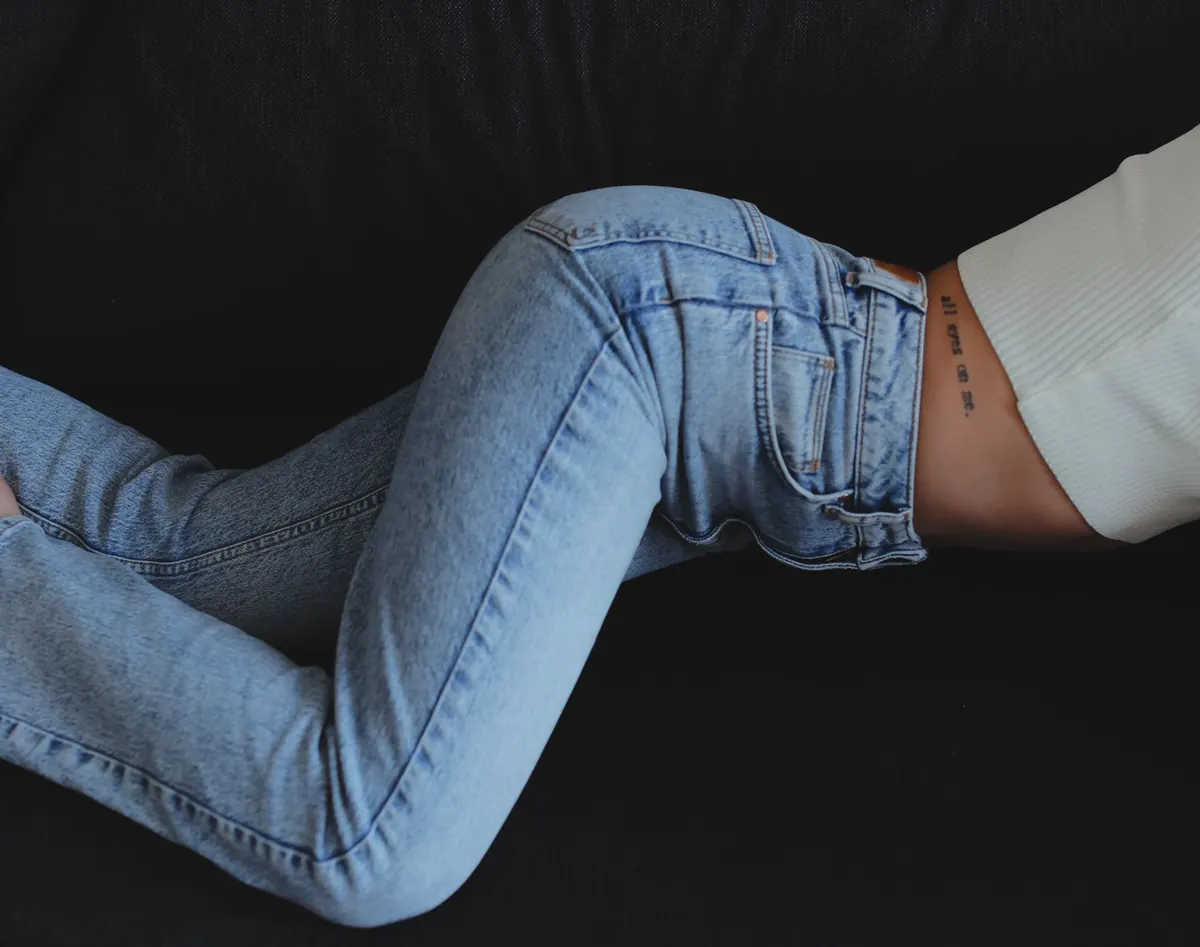
Go mid-weight. Straight-leg cotton trousers, chinos, dark denim and A-line or bias-cut midi skirts all sit comfortably between winter wool and summer linen. Save the linen trousers for June; at 10°C in a breeze, they're a mistake, and thin fabrics show every wrinkle when you've been sitting down.
On your feet, the goal is a shoe that works with socks in the morning and doesn't look odd without them later. Loafers, white leather sneakers, low ankle boots and ballet flats all qualify. Leather holds warmth well; canvas and mesh don't, so keep them for warmer weeks. If you want to wear open shoes, put a pair of thin socks in your bag — shaded pavement at nine in the morning is genuinely cold on bare ankles.
Three Outfits That Handle the Swing
- Office day: cotton-poplin shirt, fine merino cardigan, straight-leg trousers, loafers, unlined blazer over the top. By afternoon the blazer is on your chair and the cardigan is buttoned or not, depending on the air conditioning.
- Weekend coffee and a walk: long-sleeve tee, oversized denim shirt, dark jeans, white sneakers, denim or quilted jacket. Tie the shirt around your waist when the sun comes out properly.
- Lunch on a terrace: silk blouse, midi skirt, thin tights if you run cold in the morning, leather jacket. Tights can come off in a café bathroom if the afternoon turns genuinely warm.
Small Details That Do the Work
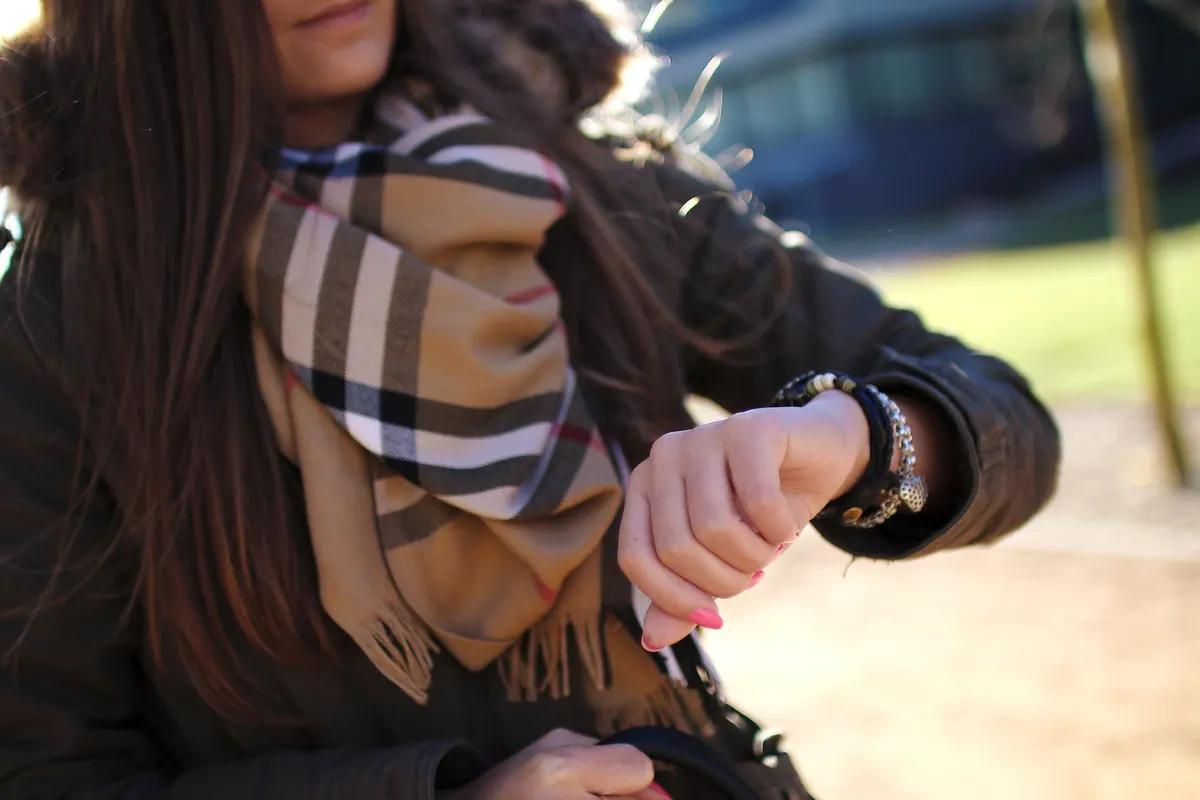
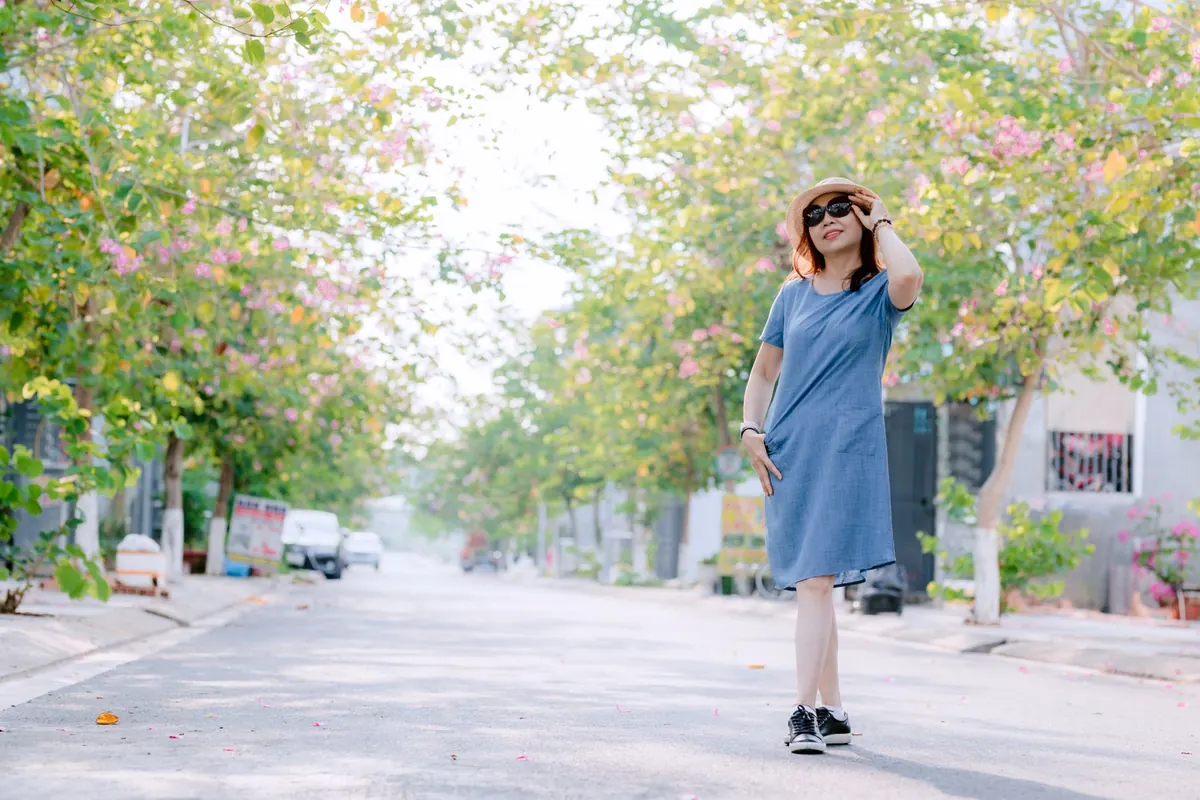
A light scarf is the single most useful accessory in early spring. It adds real warmth at eight in the morning, disappears into a bag at midday, and takes up no space. Sunglasses matter more than people expect when the sun is low and bouncing off glass and pale pavement, and a light sunscreen on your face and hands is worth the thirty seconds, since spring sun can burn skin that hasn't seen much of it for months.
Carry a bag big enough to hold what you shed — a canvas tote folded into your everyday bag solves the problem entirely. And keep an extra hair tie or clip on you; windy, sunny weather has a way of undoing a carefully arranged morning.
The Two-Minute Morning Check
Before you dress, look at the hourly forecast rather than the daily high, and check the wind. Wind is what turns 10°C from pleasant into unpleasant, and it's rarely mentioned in the headline number. Then build the outfit in three parts: a breathable base, a mid-layer that stands alone, and a jacket thin enough to carry.
If you're unsure, add one more light layer instead of one heavy one — two thin layers are easier to manage than a single thick piece, and you can remove them one at a time as the day warms. Keep a scarf in your bag from March through May. And the next time you're standing at the door, deciding whether to bring the jacket, bring it.